How AI Helps Farmers Increase Crop Yield: Simple Ways Technology Boosts Harvests
Author:Mike Fakunle
Released:September 21, 2025
AI helps farmers increase crop yields by providing clearer, faster information about their fields. Many farms now use simple tools that analyze soil, monitor crop growth, and guide daily decisions.
Farmers face rising costs, harsh weather, and soil loss. These problems make it harder to grow enough food. AI helps by reading field data in real time and issuing early warnings that protect crops and increase yields.
Understanding Why Farmers Use AI To Improve Crop Yield
Farmers use AI because traditional methods cannot keep pace with rapid changes in weather, soil, and pests. Clear digital data helps them catch problems early and avoid waste.
The Growing Challenges In Modern Farming
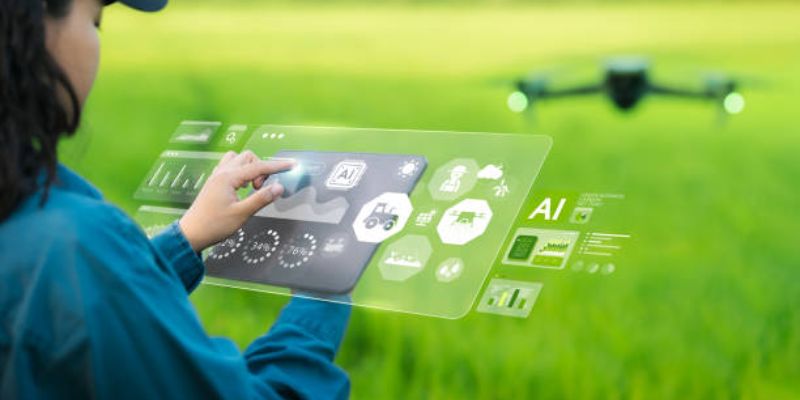
Many farms face poor soil, pests, irregular rainfall, and rising input prices. These challenges lower yield and raise risk. AI tools help farmers study each part of the field and respond before damage spreads.
What Readers Really Want To Understand
Farmers want simple steps, real results, and tools that fit any size of land. They want to know how AI works, if it is affordable, and how it helps them grow more without adding extra stress.
How AI Helps Farmers Increase Crop Yield Through Real-Time Data
AI checks field data throughout the day. This helps farmers make smart choices based on facts, not guesswork.
Satellite Imaging And Drone Monitoring
Drones and satellites scan fields and find weak areas that need water or nutrients. Their images help farmers fix issues early. Even small farms use shared drone services to watch growth and protect crops.
Weather Prediction And Climate Risk Alerts
AI studies wind, rainfall, and heat patterns. This helps farmers plant, spray, and irrigate at the right time. Some systems align with insights from climate research platforms, which support better farm planning.
Soil Health And Nutrient Analysis
AI reads soil moisture, pH, and nutrient levels through sensors. These readings guide fertilizer use and prevent waste. Some soil programs align with findings in soil management reports, which show strong results from early soil care.
AI Tools That Help Farmers Increase Crop Yield
AI tools support better planting, watering, and crop protection. These tools fit different budgets and farm sizes.
Precision Farming Systems
GPS machines place seeds and fertilizer in the right spots. AI checks field maps and finds the best zones. This lowers cost and boosts yield.
Crop Recommendation And Planning Tools
These tools study soil and weather history. They suggest crop types that match the land. They help farmers avoid varieties that perform poorly in their region.
Pest And Disease Detection
AI studies leaf images and finds signs of disease early. Early alerts help farmers act faster and protect crops.
Automated Irrigation And Water Management
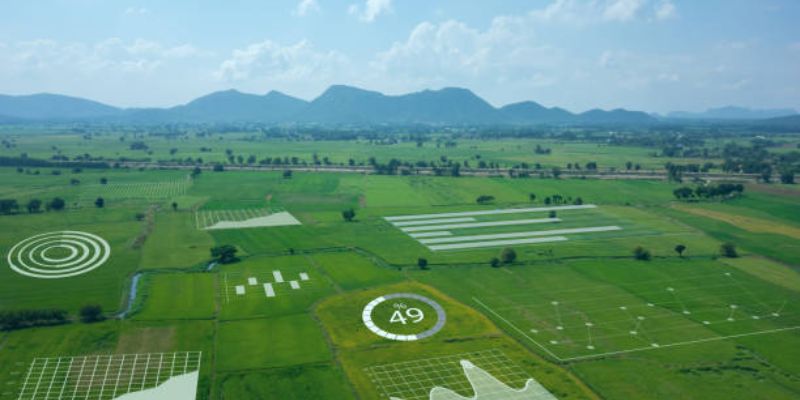
AI checks sunlight, soil moisture, and crop stage. It gives water only when needed. This improves crop health and reduces waste.
How AI Supports Daily Farm Decisions
Farmers make many decisions each day. AI provides simple, clear steps based on real data.
Smart Planting Schedules
AI shows the safest planting window. This helps farmers avoid late planting or risky weather days.
Fertilizer And Pesticide Optimization
AI shows the best time to spray and how much to use. This lowers cost and keeps the soil safer.
Harvest Timing Improvements
AI predicts when crops reach their best stage. Good timing leads to more yield and better market value.
Real-World Examples Of AI Improving Crop Yield
Large-Scale Farms Using Advanced Sensors
Sensors continuously report soil and crop conditions throughout the day. Farmers use these readings to stop small issues from spreading.
Smallholder Farmers Using Mobile AI Tools
Small farms use phone apps to scan leaves, check the weather, and plan water use. These tools help them grow more evenly with limited land.
Case Studies From Trusted Organizations
Many digital farming projects report higher yields, more consistent soil care, and less waste. These results align with findings from global farming data, which show that farm studies across many regions show strong gains from digital tools.
Cost, Accessibility, And Challenges Of Using AI In Farming
Costs Farmers Might Expect
Some tools are free. Others may cost money, such as sensors or a subscription. Farmers often start small and expand as their yield rises.
Limitations Farmers Should Know
AI depends on good signals and correct data. Some areas have slow internet, which may affect results. Farmers may also need simple training.
Why Adoption Is Growing Anyway
Prices continue to fall, tools are easier to use, and strong results make farmers trust AI more each year.
What Beginners Should Focus On When Starting With AI Tools
Start With Simple, Low-Cost Tools
Mobile disease scanners and weather apps help farmers make smart choices without large spending.
Scale Gradually Based On Farm Size
Larger farms can add sensors, drones, and automation later. Small farms can stay with simple apps.
Track Results To Measure Real Improvements
Farmers should compare the yield before and after using AI. This helps them see which tools make the biggest difference.
Why AI Helps Farmers Increase Crop Yield Today
AI helps farms grow more food by giving early warnings, strong soil insights, and better timing. It reduces waste, protects crops, and supports stable harvests. Many farms now depend on AI because it gives clear steps that improve both yield and long-term field health.
Sources
Don't Miss

Domain-Specific AI Models Are Quietly Taking Over Enterprises

Why AI Is Moving From Chatbots to Autonomous Digital Workers

AI In Fashion: How Brands Predict Trends Faster Than Ever

How AI Helps Detect Early Cancer Signs: A Clear Look At New Detection Tools

AI-Powered Health Trackers: 7 Ways They Interpret Your Data and Explain Your Body